.png)
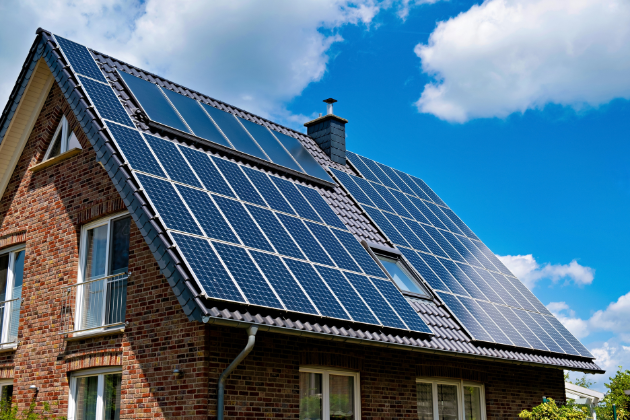
Solar panels are a long term investment, so it is natural to ask how long they actually last on a typical UK roof. The reassuring news is that modern solar PV panels usually keep producing useful electricity for several decades, even though they slowly lose a little performance each year.
Typical solar panel lifespan in the UK
Most quality solar PV panels are designed to last at least 25 to 30 years, and many will carry on working well beyond that. You will not suddenly lose all your output at year 25, but you can expect a gradual reduction in how much power they generate.
Manufacturers often back this up with a performance warranty that guarantees a certain percentage of their original output after 20 to 25 years. In real homes, it is common for panels to still be producing well over half of their original output after 30 years, as long as they have been installed and maintained properly.
What solar panel degradation really means
Degradation is the technical term for the slow, permanent loss of power output as panels age. It happens because sunlight, temperature changes and weather very gradually affect the materials inside each panel.
Most modern panels degrade at roughly 0.3 to 0.7 percent a year. That means after 20 to 25 years, your system might still be producing around 80 to 90 percent of its original rated power, assuming good quality kit and a solid installation.
- Year 1: Small initial drop as panels bed in
- Years 2–10: Very slow, steady decline, usually barely noticeable
- Years 10–25: Degradation continues, but panels remain very usable
- After 25 years: Panels often still productive, though output is lower
Warranties are based on this pattern. A typical performance warranty will promise that your panels will still produce above a specific percentage after a set number of years. That does not mean they will fail on that date, simply that the manufacturer is comfortable guaranteeing their performance up to that point.
Key factors that can shorten solar panel lifespan
While the panels themselves are very robust, certain conditions can speed up degradation or cause localised damage. Many of these come down to the quality of the design and installation.
Installation quality and mounting
Poor mounting methods can put stress on the panels or allow water to get into the roof structure. Over time this can cause damage to fixings and cable connections, and in the worst cases affect both the panel and the roof.
A professional installer will select mounting gear suited to your roof type, drill and seal penetrations correctly and ensure wind uplift and weight are properly managed.
Overheating and poor ventilation
Solar panels work best when they are kept relatively cool, which is why they are normally installed with a gap behind them so air can circulate. If panels are fitted too tight to the roof with limited airflow, higher operating temperatures can speed up degradation.
On flat roofs, or where aesthetics have been prioritised over airflow, your installer should design the mounting so panels can shed heat effectively.
Shading and hotspots
Persistent shading from chimneys, trees or neighbouring buildings can cause hotspots on individual cells. These are areas where part of the panel is forced to work harder, which can lead to localised heating and, over many years, potential damage.
Good system design looks carefully at shade patterns over the year, adjusts panel layout, and may use optimisers or microinverters to manage shading more gently.
Weather, storms and debris
Panels are built to withstand heavy rain, wind and hail, and are thoroughly tested. However, severe storms, falling branches or repeated impact from debris can crack glass or damage frames.
In the UK, weather related panel failures are rare, but regular visual checks from the ground can help you spot any obvious issues after major storms.
What usually fails first: panels vs inverter
Although people often focus on panel lifespan, the inverter is the part most likely to need attention first. The inverter is the device that converts DC electricity from your panels into AC power for your home.
Most string inverters have a lifespan of around 10 to 15 years under normal conditions. Panels, by comparison, typically keep working well for 25 years or more. If your system suddenly stops producing or drops to a very low output, the inverter is often the first thing an engineer will check.
Other components that can age include DC isolators, cabling and roof fixings, although these are generally durable when installed correctly with quality materials.
Simple maintenance checks homeowners can do
Solar PV needs far less attention than many other home systems, but a few simple checks can help you spot issues early. Always keep safety in mind: do not climb on the roof or remove covers from electrical equipment.
From ground level, you can:
- Look for obvious damage, such as cracked glass, loose cables or slipped panels
- Check for heavy bird fouling or large areas of dirt that might reduce output
- Read your generation meter or app regularly and note any unusual drops
- Listen for unusual noises from the inverter, such as loud buzzing or clicking
If panels look dirty and accessible from a safe position, a professional clean can help, especially near busy roads or trees. Avoid using abrasive tools or walking on panels, as this can damage the surface or seals.
When to call a professional installer
If you see damage, trip hazards, exposed wiring or have to reset your system frequently, contact a qualified installer or electrician with solar experience. Electrical faults should not be investigated by untrained homeowners.
It is also wise to book a professional health check if your output seems to have dropped significantly compared to previous years, when adding battery storage, or if you are planning roof works such as retiling or an extension.
Considerations for Coventry and West Midlands homes
In Coventry and across the West Midlands, many homes are 1930s semis with tiled pitched roofs, along with newer estates with modern truss roofs. Both can be excellent for solar, but they do have different access and mounting needs.
On older semis, installers will pay close attention to roof condition and may recommend minor roof repairs or additional fixings before fitting panels. Scaffolding is usually required at the front and sometimes the rear to provide safe access.
Modern estate roofs are often more straightforward structurally, but space, orientation and shading from neighbouring houses can be more of a factor. A good survey will assess these details, including safe scaffold positions and cable runs to your consumer unit and inverter location.
Solar panel lifespan FAQ
Do solar panels need replacing?
Panels rarely need complete replacement within the first 25 years unless they are damaged or severely underperforming. More often, you will replace the inverter part way through the system life while the panels continue working well.
How long do solar panels really last on a roof?
Most homeowners can expect at least 25 to 30 years of useful service, with many systems lasting longer. Output will gradually decline, but your panels should remain productive for decades if installed and maintained correctly.
What happens at the end of a solar panel's life?
When panels eventually reach the end of their useful life, they can be removed and sent for recycling. Many of the materials, such as glass, aluminium and some metals, can be recovered and reused in new products.
Does cleaning make panels last longer?
Occasional cleaning can help maintain performance by reducing dirt related losses, particularly in dusty or bird heavy areas. While it will not stop natural ageing, keeping panels clear of heavy fouling supports consistent output over time.
Can I upgrade my inverter or add a battery later?
Yes, in many cases you can replace your inverter with a more modern model or add a battery system to an existing array. A professional survey will check that your existing wiring, roof layout and consumer unit can support the upgrade safely.
Do solar panels lose efficiency in winter as they get older?
Panels always produce less in winter due to shorter days and a lower sun angle. Ageing affects both summer and winter output by a similar percentage, so you will still see the same seasonal pattern, just at a slightly lower overall level.
Is it worth replacing older panels with newer ones?
It can be worthwhile in some situations, particularly if your early generation panels have very low efficiency or have suffered visible damage. A survey can compare your current output with what a modern system could deliver before you decide.
Next steps and booking a solar survey
If you are considering new solar panels, adding battery storage, or checking the health of an older system, a professional survey is the best starting point. For Coventry and West Midlands homes, this is also the ideal time to look at how solar, battery storage and even a future heat pump could work together.
JLN Plumbing & Heating Ltd can assess your roof, electrics and energy use, then design a system that suits your home. To book a survey for solar PV and battery storage, call JLN Plumbing & Heating Ltd on 02476677667, or visit our pages on solar services, and battery storage.




.svg)
.svg)


.svg)
.svg)
