.png)
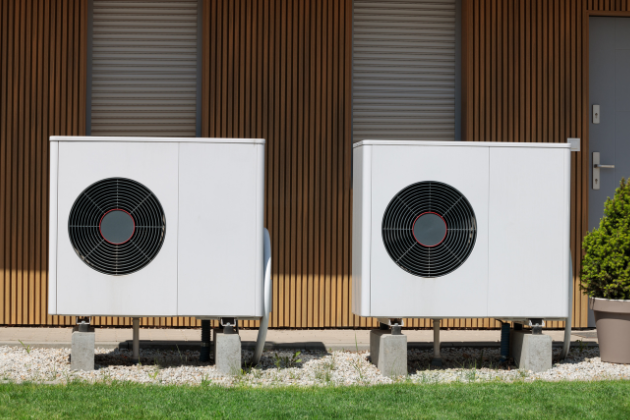
Looking after your air source heat pump does not need to be complicated. With a few regular checks and a yearly professional service, you can keep it running efficiently, reduce the risk of breakdowns and stay within the terms of most manufacturer warranties.
Maintenance benefits for efficiency, reliability and warranty
Heat pumps work hardest when the weather is cold and damp, such as frosty mornings across Coventry and Birmingham. A bit of neglected debris or a blocked vent can make them work much harder than necessary, driving up your electricity use.
Routine maintenance helps your system run at its best, so it heats your home consistently without needing to be turned up to the maximum. It also reduces wear on components, which means fewer unexpected call-outs and a longer lifespan for your equipment.
Many manufacturers and installers also expect proof of regular servicing to keep warranties valid. Keeping basic records of your own checks, along with annual service reports, can be very helpful if you ever need to make a claim.
Monthly homeowner checks you can do safely
Most of the useful maintenance you can do yourself is visual checking and gentle cleaning. You should never remove panels, touch wiring or try to adjust refrigerant levels. Leave anything technical to a qualified heat pump engineer.
- Turn the system off at the controls before cleaning around the unit
- Never open the outdoor unit casing or touch internal components
- Use a soft brush or cloth, not pressure washers or harsh chemicals
- Keep a simple log of what you checked and when
Keeping the outdoor unit clear
The outdoor unit needs plenty of airflow to work properly. Each month, check there is at least 30 cm of clear space around it on all sides and ideally more at the front.
Gently remove leaves, rubbish and cobwebs from the casing and grille. Trim back plants or shrubs that have grown too close, and avoid stacking items like bikes or garden furniture near the unit.
Checking for damage, ice and blockages
Look at the fins on the outdoor coil through the grille. They should look broadly straight and clean, not crushed or severely bent. A little thin frost in very cold weather is normal, as long as it clears when the defrost cycle runs.
If you ever see the unit buried in heavy ice that does not clear, or thick sheets of ice around the base, do not try to chip it off. Turn the system off and contact a professional, as this can be a sign of a fault.
Vents and indoor airflow
Inside the home, check that radiators, fan convectors or air outlets are not blocked by furniture, curtains or drying clothes. Restricted airflow makes the system work harder and can lead to uneven room temperatures.
Dust visible grilles gently with a soft brush or vacuum cleaner attachment. If your system has any user-removable filters, follow the manufacturer’s guide for how often to clean or replace them.
Noise, vibration and condensate drainage
Listen to the unit as it runs. A steady hum and gentle fan noise is normal. New rattling, grinding, buzzing or loud vibration is not and should be checked by an engineer.
Look at the condensate drain area and any visible pipework around the outdoor unit. The drain should not be blocked by soil, leaves or ice. Standing water that does not clear, or signs of leaks where pipework enters the house, are reasons to book a visit.
Quarterly tasks for a smoother running system
Every three months, it is worth giving your checks a little more time. This helps catch early issues before they become bigger problems, especially before and after the main heating season.
Gentle cleaning you can safely handle
You can wipe the outer casing of the outdoor unit with a damp cloth to remove dirt and algae stains. Take care not to push anything into the grille or bend the fins, and never use a pressure washer as this can ruin the coil.
Indoors, clean dust from accessible grilles and casings, and gently vacuum any user-serviceable filters according to the manufacturer’s instructions. If you notice heavy dirt build-up you cannot reach safely, make a note to mention it during your next professional service.
Tasks best left to professionals
Coil cleaning, internal fan cleaning and any work that involves taking panels off should always be carried out by a trained engineer. Incorrect cleaning can reduce efficiency or even damage the unit.
If your quarterly visual checks reveal anything you are unsure about, it is better to ask a professional than to experiment. A short visit now is usually far cheaper than repairing avoidable damage later on.
What a yearly professional service should cover
A proper annual service keeps your air source heat pump in good condition and provides reassurance that everything is working as it should. It is particularly sensible to arrange this before the coldest part of winter.
Refrigerant checks by a qualified engineer
Only engineers with the correct F-gas qualifications should work on refrigerant circuits. They will check for signs of leaks, confirm the correct charge level and inspect pipe insulation.
Incorrect refrigerant levels reduce efficiency and can shorten the life of the compressor, so this is a key part of a professional service.
Electrical connections and safety
Your engineer should inspect and test electrical connections, isolators and safety devices. Loose or corroded connections can cause intermittent faults or tripping.
They will also check that the unit is properly earthed and that cables and conduits are secure and undamaged.
Pressure, flow and controls optimisation
Correct system pressure and water flow rates are essential for good performance, particularly with underfloor heating and larger radiator circuits. The engineer may check pump operation, valves and system pressure.
They should also review how your controls are set up, including flow temperature, weather compensation and timings. Small tweaks here can make a noticeable difference to comfort and running costs.
Defrost cycle and cold-weather operation
In the Midlands, winter frosts are common, so the defrost cycle needs to work properly. Your engineer should check that the system is defrosting effectively and not running more defrosts than necessary.
They may also look at drainage around the outdoor unit to reduce the risk of ice build-up on very cold mornings.
Common misconceptions about running heat pumps
Heat pumps work differently to traditional boilers, and some old habits can cause confusion. Understanding a few basics will help your system feel more comfortable and efficient.
One common misconception is that the system should switch on and off like a boiler. In reality, heat pumps usually run for longer periods at a lower flow temperature, gently topping up heat rather than blasting it in short bursts.
Another misunderstanding is expecting radiators to feel as hot as they did with a gas or oil boiler. With a correctly set heat pump, radiators are often warm rather than very hot, while still keeping rooms at a comfortable temperature.
Warning signs that need a call-out
Most systems will give many years of service with just routine checks and yearly servicing. However, there are some signs that mean you should contact an engineer sooner rather than later.
- Frequent defrost cycles or the outdoor unit staying heavily iced
- Short-cycling, where the system keeps switching on and off
- Radiators or underfloor circuits staying lukewarm despite correct settings
- Error codes or warning lights on the controls
- Unusual smells such as burning or strong chemical odours
If you notice any of these, turn the system off if you feel it is unsafe and arrange a professional inspection.
Next steps and arranging professional maintenance
Keeping on top of these simple checks will help your air source heat pump stay efficient and reliable throughout the year. For deeper cleaning, annual servicing and any system issues, it pays to use an experienced local engineer.
If you are in the Coventry or Birmingham area and would like to book servicing or maintenance, or are considering an upgrade or optimisation of your existing system, contact JLN Plumbing & Heating Ltd on 02476677667. You can also visit our heat pump service page for more guidance.







.svg)
.svg)


.svg)
.svg)
