.png)

Solar panels do continue generating electricity in winter, even on cold and cloudy days. What changes is how much they produce and when you are most likely to use that energy in your home.
What to Expect from Solar Panels in Winter
In the UK, including the Midlands, solar PV output is lower in winter but it does not stop. Panels work from daylight, not from heat, so as long as it is light outside your system can generate.
Colder temperatures can actually help panel efficiency, but shorter days, a lower sun angle and more shading from nearby buildings or trees all cut overall winter generation.
- Solar panels work in winter daylight, even when it is cold or cloudy
- Winter output is typically much lower than in summer due to short days and low sun
- Shading from trees, chimneys and neighbouring roofs can have a bigger impact in winter
- Good monitoring and smart use of daytime appliances help you make the most of winter solar
- Battery storage can smooth things out so you can use more of your own power in the evening
Factors that affect winter solar generation
Several predictable factors reduce solar yield in winter. Understanding them makes it easier to judge whether your system is working as expected.
Day length and sun angle
In December and January the UK only gets a few hours of useful sun each day. The sun also sits lower in the sky, which reduces the intensity of light hitting your panels.
This is why, even though panels are slightly more efficient in cool weather, your winter generation will be well below your June and July figures.
Roof orientation and pitch
South-facing roofs usually give the best year-round results, but east and west can still perform well. In winter, south-facing arrays tend to hold more of an advantage because the lower sun tracks across the southern sky.
Roof pitch matters too. A typical 30 to 40 degree pitch works well in the Midlands, offering a good compromise between summer and winter performance. Very shallow roofs can lose a bit more in winter because the sun’s rays hit at a less direct angle.
Shading from trees, chimneys and nearby buildings
Shading can be more of an issue in winter. With the sun lower, tall objects like chimneys, dormers, neighbouring houses and mature trees cast longer shadows across roofs.
In many Midlands streets, semi-detached and terraced homes see morning or afternoon shading from the house next door, or from large trees in the garden. Even partial shading on a few panels can cut output, especially on systems without optimisers or microinverters.
Cloud cover, rain and snow
Cloudy skies reduce output, but your panels will still generate under diffuse light. Output may simply fluctuate more through the day. Rain can actually help keep panels relatively clean by washing off dust and debris.
Snowfall is usually short-lived in much of the Midlands. A light dusting rarely lasts long and often slides off sloped roofs. Heavy settled snow will block generation while it is covering the panels, but this tends to be for a limited time.
Practical tips to maximise winter performance
While you cannot change the weather, there are sensible steps you can take to keep your system working as hard as possible during winter.
Keep panels clear and unobstructed
From ground level, check periodically that nothing is blocking the panels. Look for overhanging branches, new aerials, flues or roof furniture that may be casting extra shade as the sun sits lower.
If safe access is available, light debris such as leaves can be cleared, but never put yourself at risk on a roof. For stubborn dirt or bird mess that seems to be affecting output, consider a professional clean rather than attempting it yourself.
Use monitoring apps to track performance
Most modern solar inverters and batteries come with a companion app or web portal. In winter, get into the habit of checking your generation curve every so often.
You should see a smaller, winter-shaped curve compared with summer, but it should still be there on most days. Sudden drops or flat lines during daylight may suggest an issue that needs attention.
Shift suitable appliances into daylight hours
Try to run flexible loads when your panels are most likely to be producing. In winter this might be late morning to early afternoon on brighter days.
Good candidates include dishwashers, washing machines and tumble dryers. Using built-in delay timers or smart plugs can help line up these cycles with likely solar generation.
How battery storage changes the winter experience
A home battery does not increase the amount of energy your panels produce, but it can change how and when you use that energy. This is often most noticeable on winter evenings.
Instead of exporting spare daytime solar to the grid, a battery can store it for later. You might then use that stored energy for cooking, lighting and entertainment after dark, reducing the amount you draw from the grid during peak times.
Batteries can also work alongside time-of-use tariffs, but the key winter benefit is smoothing out the mismatch between shorter daylight hours and your evening usage.
Troubleshooting winter solar issues
Seasonal drops in output are normal, but a sudden or severe change could point to a problem. It helps to know what to look for before you call your installer.
Checks you can safely do yourself
- Compare your current month’s generation with the same month last year, if available
- Check your inverter or app for error messages or repeated system restarts
- Look from the ground for obvious shading, damage or loose cables around the inverter
- Check that any isolation switches near the inverter or consumer unit have not been turned off
If your monitoring shows generation has dropped to almost zero on bright days, or the inverter is showing persistent faults, it is time to contact a qualified installer.
When to call an installer
Professional help is sensible if you notice burning smells, unusual noises from the inverter, visible damage to panels or roof fixings, or if your system repeatedly turns off during sunny periods.
Never attempt electrical work yourself on a solar PV or battery system. A certified installer can test the array, inverter and wiring safely and advise on repairs or replacements where needed.
Midlands-specific notes on winter and shading
In the Midlands, winter days are often overcast rather than clear and bright. Your solar output graph may look flatter, with fewer obvious peaks, compared with sunnier southern regions.
Typical local shading issues include rows of similar-height houses, mature street trees and extended rear roofs with multiple chimneys. If you are planning a system, a good installer will consider these when designing string layouts, choosing optimisers and positioning panels.
FAQs on solar panels in winter
Do solar panels work on cloudy winter days?
Yes. Panels generate from daylight, so they will still produce power on cloudy days, just at a reduced level compared with bright sunshine.
Is it ever too cold for solar panels to work?
No. Solar PV panels actually work more efficiently in cooler temperatures. It is lack of light, not cold, that limits output in winter.
Do I need to clear snow off my panels?
In much of the Midlands, snow usually melts or slides off fairly quickly. Never climb onto a roof in icy conditions. If snow lingers and access is safe from the ground, a professional can help.
Can a battery make winter solar worth it?
A battery helps you use more of the energy you generate by storing spare daytime solar for later. Whether it is right for you depends on your usage pattern and system design.
Will my heat pump work well with solar in winter?
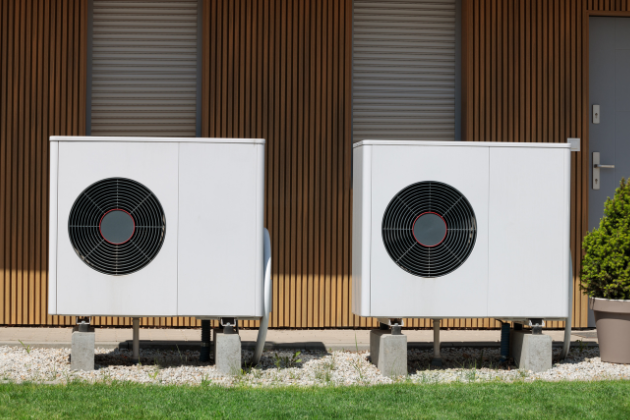
Solar, batteries and heat pumps can work together to support a more electric home. In winter, solar may only cover part of a heat pump’s demand, but it can still offset some grid usage.
Should I turn my system off in bad weather?
No. Solar systems are designed to operate safely in normal UK weather conditions, including heavy rain and wind. If you suspect storm damage, contact your installer for advice.
Next steps for your home energy plans
If you would like expert advice on solar PV or battery storage for your home, or how to combine them with a heat pump, JLN Plumbing & Heating Ltd can help. Our team can explain expected winter performance, design a system tailored to your roof and usage, and talk you through monitoring and maintenance.
To learn more, explore our services for solar PV, battery storage and heat pumps, and read our guide on solar, batteries & heat pumps working together. For friendly, local advice or to arrange a survey, call JLN Plumbing & Heating Ltd on 02476677667.






.svg)
.svg)


.svg)
.svg)
