.png)
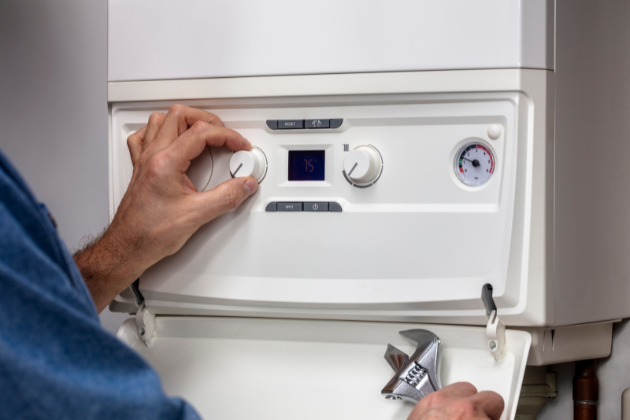
If you are booking a boiler service in Coventry, Warwickshire or Birmingham, it helps to know what a proper visit should include. A clear checklist not only protects your home, it also gives you confidence that your engineer has done a thorough job.
What a boiler service is (and what it is not)
A boiler service is a routine safety and performance check carried out by a qualified Gas Safe engineer. The aim is to ensure your boiler is running safely, efficiently and in line with manufacturer guidelines.
It is different from a repair. A service focuses on inspection, testing, cleaning and minor adjustments, rather than fixing a specific fault. If the engineer finds worn parts or faults, they should explain what needs repairing and may schedule a separate visit.
A proper boiler service will not usually involve stripping the whole appliance unless there is a clear reason. It should also not be a five-minute visual glance. There are defined checks and tests that should be carried out methodically.
Simple pre-visit preparation you can do
A bit of preparation before your engineer arrives can help the service go smoothly and reduce the time they spend hunting for information. It also means they can focus on doing a thorough job rather than moving clutter.
Before your appointment, try to:
- Clear access to the boiler, flue terminals and any controls so the engineer can reach everything safely
- Note any issues such as strange noises, pressure drops, or radiators not heating evenly
- Check your thermostat and controls so you can explain any problems or quirks you have noticed
- Know where your manuals are if you still have them, as these can speed up checks
If your boiler is in a cupboard, make sure the door opens fully and remove any stored items. Good lighting also helps the engineer carry out a proper visual inspection.
Key checks in a thorough boiler service
While every home and boiler model is different, there are core checks that a competent Gas Safe engineer will typically carry out. Below is a step-by-step outline of what you should expect.
Initial visual inspection and setup
The engineer will start with a visual check of the boiler and surrounding area. They will look for signs of corrosion, leaks, staining, damage to the casing, and any issues with pipework or ventilation openings.
They should also confirm that the boiler is installed correctly and complies with regulations. This includes checking that the boiler location is suitable and that any clearances set by the manufacturer are respected.
Flue and ventilation checks
Safe removal of combustion gases is critical. Your engineer should inspect the flue route both inside and where it terminates outside the property. They will look for secure joints, correct support and any signs of damage or staining.
If your boiler needs ventilation grills or vents, these should be checked to ensure they are not blocked or restricted. Inadequate ventilation can affect combustion and potentially create a safety risk.
Safety devices and combustion checks
Modern boilers include several safety devices that must be tested. This may include flame detection, temperature sensors, pressure relief valves and other built-in safety controls designed to shut the boiler down if something is wrong.
Where appropriate, the engineer will carry out a combustion analysis using a flue gas analyser. This involves placing a probe in the flue to check the ratio of gases and confirm the boiler is burning fuel cleanly and safely. Results should be recorded and compared to the manufacturer’s limits.
Internal components, seals and condensate
With the boiler casing safely removed, the engineer will inspect internal components. They may clean parts such as the burner, heat exchanger and electrodes if necessary, and check for signs of damage or wear.
Seals and gaskets should be inspected to ensure there are no signs of deterioration. On condensing boilers, the condensate trap and pipework should be checked and cleaned where required to prevent blockages and leaks.
Pressure, leak checks and system controls
The engineer will check the boiler operating pressure and system pressure, topping up and venting if needed as part of the service. They should also inspect the expansion vessel, confirming it is correctly charged and not waterlogged.
Gas pipework should be tested for tightness to ensure there are no leaks. The engineer will also run the boiler through its controls, including the timer, programmer, room thermostat and cylinder thermostat if you have one, making sure the system responds correctly.
Final testing and documentation
Once all checks are complete, the engineer will reassemble the boiler, ensuring the casing is correctly sealed. They should run the boiler through a full heat cycle to confirm it operates correctly under normal conditions.
At the end of the visit, you should receive clear documentation. This typically includes a service record, any test readings, notes on the condition of the boiler, and any recommendations for repairs or improvements.
Red flags during a boiler service visit
Most Gas Safe engineers take pride in doing a thorough, safe job. However, it is helpful to know signs that your service may not have been as detailed as it should be.
Be cautious if you notice any of the following:
- The engineer is in and out within a very short time, with little or no testing visible
- No safety tests are carried out on the flue, gas tightness or key safety devices
- You are not given any paperwork or record of what was checked and any readings taken
- The explanation of findings is vague, rushed or leaves your questions unanswered
You are entitled to ask what has been done and to see the engineer’s Gas Safe ID card. A professional will be happy to talk you through their work and any next steps.
Common boiler service questions
How often should a boiler be serviced?
Most manufacturers recommend that domestic boilers are serviced once a year. This is usually required to keep your warranty valid, and it helps catch issues early before they turn into bigger problems.
Annual servicing is especially important for landlords, as you also have legal responsibilities for gas safety checks on rented properties.
Does servicing prevent breakdowns?
No service can guarantee you will never have a breakdown, but regular servicing can significantly reduce the risk. By cleaning components, checking pressures and spotting worn parts early, many potential failures can be avoided or planned for.
Servicing also helps keep your boiler running more efficiently, which can support lower energy use and more consistent heating performance.
What if my boiler is making noises?
Unusual noises such as banging, gurgling or whistling are a sign that something is not quite right. Common causes include air in the system, limescale build-up, pump issues or incorrect pressures.
Mention any noises to your engineer when booking a service, as it may affect the checks they prioritise. If the sounds are loud, frequent or accompanied by error codes, it is worth seeking advice promptly rather than waiting.
Next steps: booking a boiler service in Coventry, Warwickshire or Birmingham
If you want the peace of mind that comes with a proper, checklist-led boiler service, choosing an experienced local team can make all the difference. JLN Plumbing & Heating Ltd work across Coventry, Warwickshire and Birmingham, carrying out thorough Gas Safe boiler servicing with clear communication at every stage.
To arrange a one-off service or to ask about our ongoing service scheme for regular maintenance and reminders, visit our contact page or our service scheme information. You can also call JLN Plumbing & Heating Ltd on 02476677667 to book your boiler service or talk through any concerns about your heating system.






.svg)
.svg)


.svg)
.svg)
